
How to Secure Your Wallet Against SIM Swap Attacks

This content includes affiliate links for Ledger products. If you purchase through these links, we earn a commission at no extra cost to you. This is not financial advice. Cryptocurrency assets carry high risks, including the risk of losing your entire investment. Please do your own research and make decisions based on your personal risk tolerance.
A buddy thought his phone had simply lost signal.
His AT&T network suddenly stopped working one afternoon. Calls wouldn't connect. Text messages never arrived. At first, he blamed his carrier. An hour later, he discovered something far devastating.
Someone had transferred his phone number to another SIM card. Within minutes, they intercepted password reset codes, bypassed two-factor authentication, and emptied thousands of dollars worth of cryptocurrency from his wallet. The frightening part wasn't how sophisticated the attack was.
It was how ordinary it looked.
SIM swap attacks have become one of the biggest threats facing cryptocurrency holders. Whether you own Bitcoin, Ethereum, Solana, or other digital assets, protecting your phone number is just as critical as protecting your private keys.
Secure Your Wallet Against SIM Swap Attacks: What Is a SIM Swap Attack?
A SIM swap attack happens when a criminal convinces your mobile carrier to transfer your phone number onto a SIM card they control. Once they own your number, every phone call and SMS message intended for you goes directly to them.
That includes:
One-time verification codes
Password reset links
Banking alerts
Exchange login confirmations
Wallet recovery messages
Many online accounts still rely on text messages for identity verification. Once criminals intercept these messages, they can often reset passwords and take over your accounts in minutes.
Why Cryptocurrency Owners Are Popular Targets
Unlike traditional bank transfers, cryptocurrency transactions cannot usually be reversed. Once digital assets leave your wallet, recovering them is extremely difficult. Criminals know this. They often scour social media for people discussing crypto investments, NFT collections, trading profits, or expensive hardware wallets. Even mentioning that you own cryptocurrency can make you vulnerable. The more valuable your holdings appear, the greater the incentive for attackers.
You become a juicy target.
Warning Signs That You May Be Under Attack
SIM swap attacks usually happen without warning, but there are several signs that should immediately raise concern.
Watch for:
Your phone suddenly loses all mobile service.
Calls and text messages stop arriving.
Your carrier unexpectedly reports that your SIM has changed.
Password reset emails begin appearing.
Login alerts arrive from exchanges you did not access.
Friends report strange messages from your phone number.
If your mobile signal disappears unexpectedly while everyone else around you still has service, don't ignore it. Time matters.
Never Rely on SMS for Two-Factor Authentication
Many people believe that receiving a verification code by text message is enough to secure an account.
Unfortunately, SMS is one of the weakest forms of two-factor authentication.
If someone controls your phone number, they also control those security codes.
A much better option is to use an authentication app such as Google Authenticator, Microsoft Authenticator, or Authy.
These apps generate verification codes directly on your device instead of sending them through the mobile network. Even if someone steals your phone number, they cannot generate these codes without having physical access to your authenticated device.
Protect Your Mobile Account
Your mobile carrier can be either your strongest defence or your weakest link. Most carriers now offer additional account security features.
These may include:
A PIN required before account changes
A password for customer service requests
SIM lock protection
Port-out protection
Extra identity verification before replacing a SIM card
Contact your carrier and ask what protections are available. Adding one extra layer of verification can prevent a successful SIM swap.
Keep Your Hardware Wallet Offline
If you own significant amounts of cryptocurrency, consider storing it in a hardware wallet.
Hardware wallets keep your private keys offline, making it much harder for attackers to steal your assets remotely. Even if someone gains access to your exchange account or email, they cannot move funds without physical possession of your hardware wallet and, in many cases, your PIN or passphrase.
Many experienced crypto investors only keep small amounts on exchanges for daily trading while storing long-term holdings in cold storage.
Don't Keep Everything on an Exchange
Cryptocurrency exchanges are convenient, but convenience comes with risk. If someone gains access to your exchange account through a SIM swap, phishing email, or stolen password, your assets could disappear before you even realize something is wrong.
A safer approach is to move long-term holdings into a hardware wallet. This gives you full control over your private keys instead of leaving them with a third party. Many experienced crypto investors follow a simple rule. Only keep what you need for trading on an exchange. Store everything else offline.
Choose Strong, Unique Passwords
Reusing passwords is one of the easiest ways for criminals to gain access to multiple accounts. Imagine using the same password for your email, crypto exchange, and social media accounts. If one website suffers a data breach, attackers will often try that same password everywhere else.
Use a password manager to generate long, random passwords for every account.
This way, even if one password becomes exposed, your other accounts remain protected.
Secure Your Email First
Your email account is often the master key to your digital life. If someone controls your email, they can reset passwords for exchanges, wallets, banking apps, and many other services.
Protect your email with:
An authenticator app instead of SMS verification
A strong, unique password
Recovery codes stored safely offline
Login alerts for new devices
Many successful crypto thefts begin with a compromised email account rather than the wallet itself.
Why a Hardware Wallet Is One of the Best Defences
No security measure is perfect. Phones can be stolen. SIM cards can be swapped.
Passwords can leak.
But a hardware wallet adds a powerful extra layer of protection by keeping your private keys completely offline.
Even if attackers manage to access your email or exchange account, they still cannot authorize transactions without your hardware wallet. For anyone holding cryptocurrency as a long-term investment, this is one of the smartest security upgrades you can make.
Recommended Ledger Cold Wallets
Ledger has become one of the most trusted names in cryptocurrency security. Its wallets are designed to keep your private keys offline while making it easy to manage thousands of supported coins and tokens.
Here are some excellent options depending on your needs.
Ledger Stax
The Ledger Stax is the premium choice for users who want security with a modern experience.
Its curved E Ink touchscreen makes reviewing transactions simple and comfortable. Bluetooth support allows you to manage your portfolio from compatible mobile devices while keeping your private keys protected inside the Secure Element chip. If you regularly manage multiple digital assets and want a polished user experience, the Ledger Stax is a great option.

Ledger Flex
The Ledger Flex combines strong security with everyday convenience. Its touchscreen makes navigation easier than traditional hardware wallets, while maintaining the same core protection that Ledger devices are known for.
It's well suited for users who want a balance between modern usability and serious crypto security.

Ledger Nano Gen5
The Ledger Nano Gen5 brings the latest generation of Ledger security to users looking for dependable long-term storage.
With support for thousands of cryptocurrencies and regular firmware improvements, it offers a strong foundation for anyone building a long-term digital asset portfolio.

Ledger Nano X
The Ledger Nano X remains one of the world's most popular hardware wallets. Bluetooth connectivity makes it convenient for people who frequently manage crypto using a smartphone.
Whether you're checking balances while travelling or approving transactions on the move, the Nano X combines flexibility with strong offline protection.
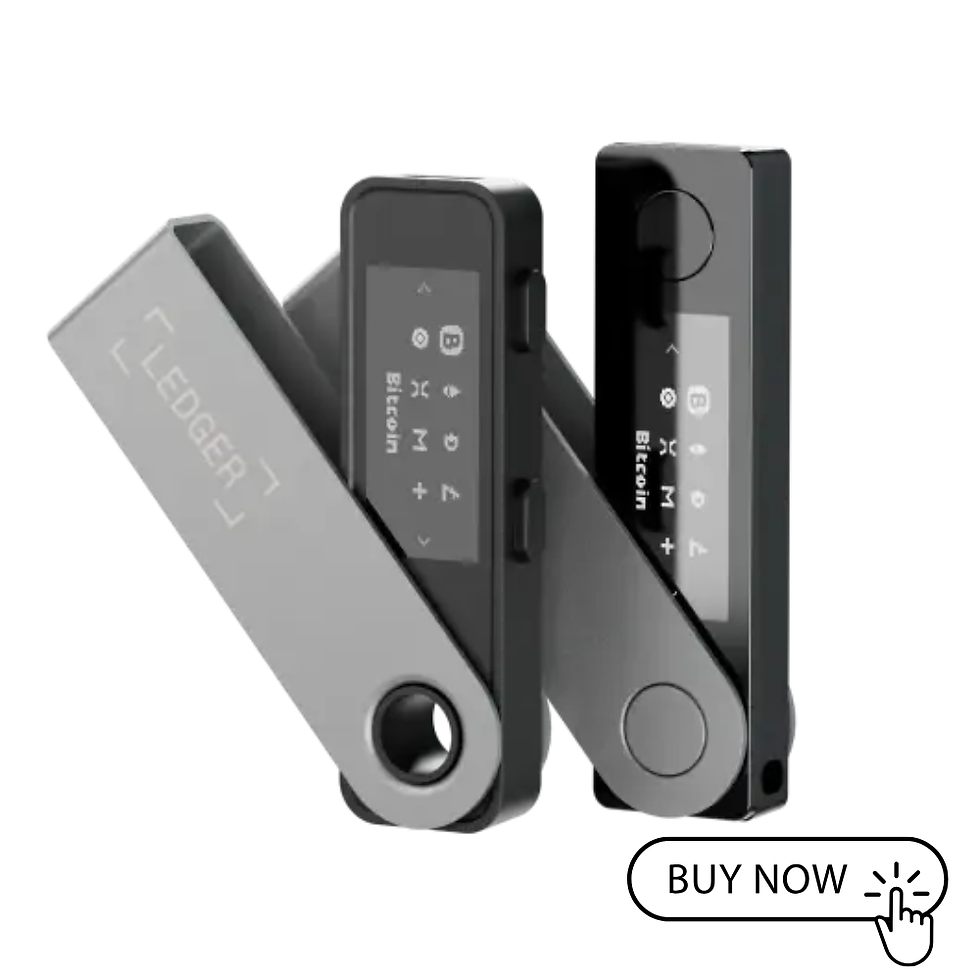
Ledger Nano S Plus
The Ledger Nano S Plus is an excellent entry-level hardware wallet. It offers many of the same core security features found in more expensive models without unnecessary extras.
For beginners or investors simply looking to move crypto off exchanges, it delivers outstanding value.
Create an Emergency Recovery Plan
Imagine losing your phone while travelling. Would you still be able to access your cryptocurrency? Every wallet owner should prepare for unexpected situations before they happen.
Write down your recovery phrase carefully and store it in a secure offline location.
Never:
Save it in cloud storage.
Email it to yourself.
Take a photo of it.
Store it in your phone's notes app.
Share it with anyone.
Anyone who obtains your recovery phrase can restore your wallet and transfer your assets.
Treat it like the keys to your house, except even more valuable.
SIM swap attacks continue to rise because they often target the weakest link, people rather than technology. Secure your wallet against SIM swap attacks
Use an authenticator app instead of SMS verification.
Secure your email.
Add extra protection to your mobile account.
Store long-term cryptocurrency in a trusted hardware wallet such as the Ledger Stax, Ledger Flex, Ledger Nano Gen5, Ledger Nano X, or Ledger Nano S Plus.
Small security improvements made today can prevent devastating losses tomorrow.
When it comes to cryptocurrency, protecting your private keys is only part of the job.
Protecting your digital identity is just as important.


Comments