
The Triple-A Wallet Breach Is Another Reminder, Your Crypto Isn't Safe Until It's Offline

This content includes affiliate links for Ledger products. If you purchase through these links, we earn a commission at no extra cost to you. This is not financial advice. Cryptocurrency assets carry high risks, including the risk of losing your entire investment. Please do your own research and make decisions based on your personal risk tolerance.
I still remember the first time I bought cryptocurrency. Like many people, I was excited. I watched the price charts every day, checked my wallet more often than I should have. I felt relieved that my coins were sitting with a reputable platform. Surely that meant they were safe.
Years later, I learned an important lesson. In crypto, reputation helps, but it doesn't eliminate risk. Every few months, another headline reminds us why.
The recent wallet breach involving Triple-A is the latest example. While the company has confirmed that customer funds were not affected because they were kept separately from its own treasury assets, the incident still serves as an important lesson for every business and every individual holding digital assets.
Security isn't just about preventing attacks. It's about making sure a single mistake doesn't put everything at risk.
Triple-A Wallet Breach: What Happened?
According to public reports, attackers gained unauthorized access to wallets belonging to Triple-A, a Singapore-based cryptocurrency payments company. Blockchain analysts observed approximately 5,287 ETH moving through multiple transactions into a single Ethereum address believed to be controlled by the attacker.
Fortunately, Triple-A stated that customer assets remained safe because they were held separately from the company's operational treasury. The compromised wallets reportedly contained corporate funds rather than customer deposits.
That distinction matters. It shows that proper custody design can prevent a bad situation from becoming a disaster.
The Real Lesson Isn't About Triple-A
Whenever a breach happens, people naturally ask the same question.
"How did hackers get in?"
That's an important question, but it's not the only one. An even better question is this:
"If someone gained access today, how much could they actually steal?" That depends entirely on how the assets are stored. Many organizations focus heavily on preventing attacks.
The strongest organizations also assume attacks will eventually happen. Their goal is to limit the damage.
Hot Wallets Are Convenient
Hot wallets stay connected to the internet. That makes them incredibly useful. Payments can be processed quickly. Employees can authorize transactions. Businesses can settle invoices. Customers receive funds without waiting. For companies processing payments every day, hot wallets are necessary.
The problem is simple.
Anything connected to the internet can become a target. Hackers don't need to break mathematics or crack blockchain encryption. They only need to compromise one device, one employee account, one server, or one private key.
That's why keeping an entire treasury online is rarely a good idea.
Cold Storage Is Different
Cold storage means your private keys never remain connected to the internet. They stay offline. Because they are offline, attackers cannot remotely access them.
Think of it this way.
Imagine carrying your life savings in your pocket every day. You probably wouldn't. Most people keep only enough cash for daily spending while the rest stays safely locked away. The same idea applies to cryptocurrency. Keep enough online to run daily operations. Store the majority offline.
It's a surprisingly simple concept. Yet it remains one of the most effective security practices available.
How Corporate Treasury Should Work
A well-designed corporate custody system usually separates assets into different layers.
One layer handles everyday transactions. This wallet contains only the amount needed for regular business.
Another layer holds reserve funds. These reserves stay offline in cold storage. Access typically requires multiple approvals, making unauthorized transfers much more difficult. Some organizations also divide funds across several wallets instead of concentrating everything in one place.
This means that even if one wallet is compromised, the attacker cannot access the entire treasury. No security system is perfect. The goal is not perfection. The goal is reducing the size of a potential loss.
Why Cold Storage Matters Even More Today
Digital assets are becoming increasingly valuable. Businesses now hold Bitcoin, Ethereum, stablecoins, tokenized assets, and other cryptocurrencies as treasury reserves.
Some companies process millions of dollars in crypto payments every month. That makes corporate wallets attractive targets. Professional cybercriminals know exactly where the money is.
As adoption grows, attacks become more sophisticated. Security can no longer be treated as an afterthought.
It has to become part of everyday operations.
Hardware Wallets Make Cold Storage Practical
Not long ago, cold storage seemed complicated. Today, it is much easier. Modern hardware wallets are designed to keep your private keys offline while making it straightforward to approve transactions when needed.
Instead of exposing your private keys to an internet-connected computer, the hardware wallet securely signs transactions inside the device.
The keys never leave it.
Even if your computer becomes infected with malware, your private keys remain protected.
For many people, that single feature is the biggest reason to own a hardware wallet.
Hardware Wallets Worth Considering
If you're looking to improve your crypto security, Ledger offers several hardware wallets designed for different needs.
Ledger Stax
Ledger Stax is the premium option.
Its large curved touchscreen makes reviewing transactions much easier than smaller displays. It also supports thousands of cryptocurrencies and NFTs while combining strong security with an elegant user experience.
If you regularly manage digital assets and want the most polished experience, Ledger Stax is an excellent choice.

Ledger Flex
Ledger Flex combines modern usability with strong security.
Its touchscreen interface makes navigating your wallet simple, while maintaining offline protection for your private keys. It strikes a nice balance between convenience and advanced security for both newcomers and experienced crypto users.

Ledger Nano Gen5
Ledger Nano Gen5 brings the latest generation of Ledger's hardware security technology. It is designed to provide improved performance, strong cryptographic protection, and support for a broad range of digital assets.
For users planning to hold cryptocurrency for many years, it offers a future-ready foundation.

Ledger Nano X
Ledger Nano X remains one of the most popular hardware wallets available.
Bluetooth connectivity allows it to work with smartphones, making it convenient for people who travel frequently or prefer managing their portfolio from a mobile device.
It combines portability with excellent security.
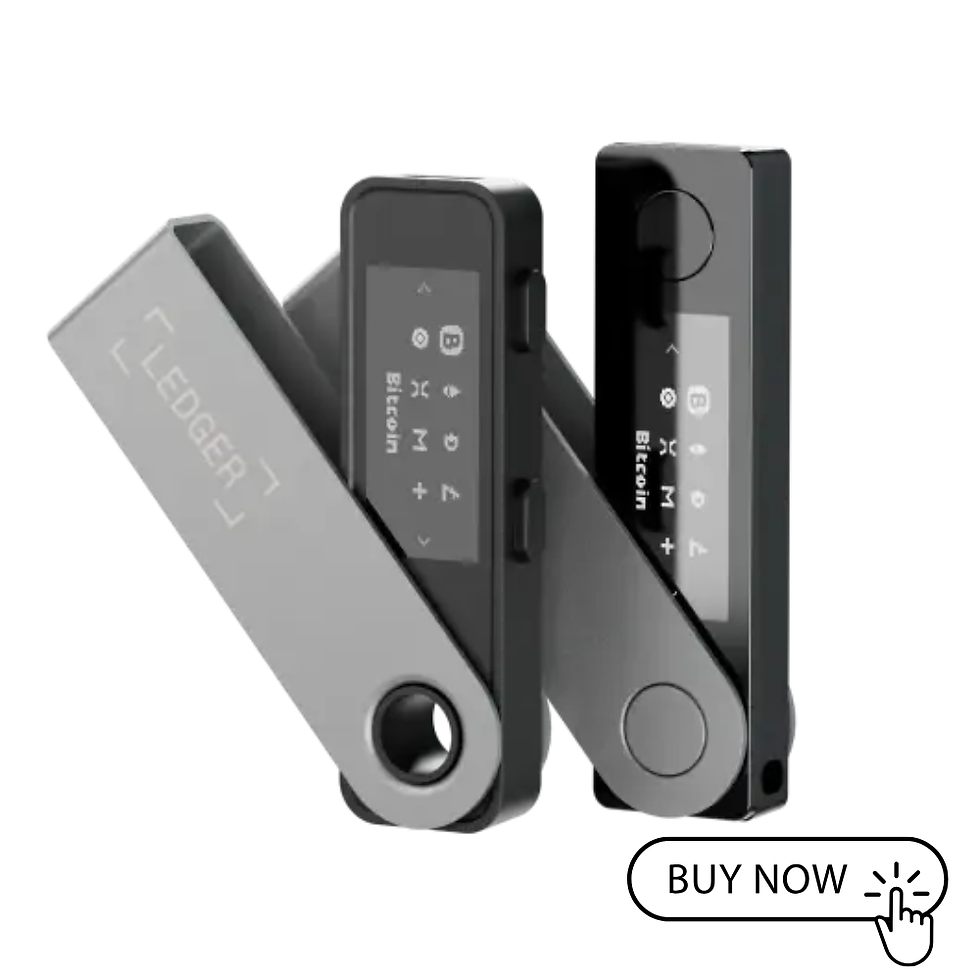
Ledger Nano S Plus
Ledger Nano S Plus is an outstanding choice for long-term investors.
It delivers the same core security model as more expensive devices while keeping costs lower. If your goal is simply to buy cryptocurrency and store it safely for years, it offers tremendous value.
Cold Storage Is Not Just for Big Companies
One common misconception is that cold storage only matters if you own millions of dollars in cryptocurrency.
That's simply not true.
Whether you own $500 or $5 million, your private keys deserve protection. Many individual investors lose funds not because blockchain technology failed, but because their wallets, computers, or accounts were compromised.
A hardware wallet greatly reduces that risk.
The Triple-A incident should not be viewed as evidence that cryptocurrency itself is insecure. Instead, it highlights a timeless lesson about digital security. The safest systems are designed with the expectation that attacks will happen.
They limit exposure. They separate funds. They protect long-term reserves.
Triple-A's customer assets reportedly remained safe because they were separated from the company's operational treasury. That's an encouraging reminder that good custody practices work.
For businesses managing corporate crypto reserves, cold storage should be a core part of treasury management.
For individual investors, a hardware wallet may be one of the best investments you make, not because you expect to be hacked tomorrow, but because protecting your digital wealth is far easier before something goes wrong than after it does.
In crypto, security is priceless.


Comments