
SecondFi/Yoroi Wallet Hack. Here's Why More Crypto Investors Are Moving to Hardware Wallets

This content includes affiliate links for Ledger products. If you purchase through these links, we earn a commission at no extra cost to you. This is not financial advice. Cryptocurrency assets carry high risks, including the risk of losing your entire investment. Please do your own research and make decisions based on your personal risk tolerance.
I was sipping my morning cuppa when I saw yet another headline about a crypto wallet being compromised. My heart shrugged. Sadly, stories like this have become all too common. Then I started reading the details. Users were reporting that their funds had vanished into thin air, and many were asking the same heartbreaking question: "How did this happen?"
Every time I read about another wallet exploit, I think about how many people spend years building their crypto portfolios. They carefully buy Bitcoin, Ethereum, Cardano, Solana, or other digital assets, only to lose everything because of a single weak point in their security.
The recent reports surrounding the SecondFi wallet on Cardano are another reminder that protecting your crypto isn't just about choosing the right coins. It's also about choosing the right way to store them.
SecondFi/Yoroi Wallet Hack. Here's Why More Crypto Investors Are Moving to Hardware Wallets: The Blockchain Wasn't the Problem
One thing many newcomers misunderstand is that when a wallet is compromised, it doesn't necessarily mean the blockchain has failed.
Blockchains like Bitcoin, Ethereum, and Cardano remain incredibly secure. Their networks continue validating transactions exactly as they were designed to. The weak point is often somewhere else.
Sometimes it's a software wallet. Sometimes it's malware on a computer. Sometimes it's a fake website that tricks someone into revealing their recovery phrase. Sometimes it's simply clicking "Approve" without realizing what the transaction actually does. In many cases, the blockchain is doing exactly what it was told to do. The attacker simply found a way to obtain authorization.
Why Software Wallets Carry More Risk
Software wallets are popular for good reason. They're free. They're easy to install. You can access your crypto within minutes. That convenience comes with a trade-off.
Because software wallets run on internet-connected devices, they are exposed to many of the same risks as any other application. Malware, phishing attacks, malicious browser extensions, fake updates, and compromised computers can all become part of the attack surface.
That doesn't mean software wallets are unsafe.
Millions of people use them every day without problems. It simply means they are designed for convenience first, not maximum security.
What Makes Hardware Wallets Different?
A hardware wallet takes a completely different approach. Instead of storing your private keys on your computer or phone, it stores them inside a dedicated device built for one purpose: protecting your keys.
Even when connected to your computer, the private keys never leave the device. This is one of the biggest differences between hot wallets and cold storage. If malware infects your computer, it may still see your wallet application. What it generally cannot do is extract the private keys stored inside the hardware wallet.
That extra layer of protection is exactly why experienced investors often move their long-term holdings into cold storage.
Every Transaction Needs Your Approval
Imagine malware attempts to transfer your crypto to an attacker. With many software wallets, the attack may happen silently if the attacker gains enough access.
A Ledger hardware wallet changes that process.
Every transaction must be reviewed on the device itself. You'll see the receiving address on the screen. You'll confirm the amount. You'll physically approve the transaction.
Without your approval, the transaction cannot be signed. That physical confirmation creates an important security barrier that software alone cannot easily provide.
Hardware Wallets Aren't Magic
It's important to stay realistic. Buying a hardware wallet doesn't make you invincible.
If someone tricks you into revealing your 24-word recovery phrase, your assets can still be stolen.
If you approve a malicious transaction without checking it carefully, a hardware wallet can't know your intentions.
If you fall for a phishing website pretending to be a legitimate service, you can still be fooled.
Good security is always a combination of technology and good habits.
Simple Security Habits That Make a Huge Difference
Protecting your crypto doesn't have to be complicated.
A few habits can dramatically reduce your risk.
Never share your recovery phrase with anyone.
Store your recovery phrase offline in a safe place.
Always verify wallet addresses before approving transactions.
Download wallet software only from official sources.
Keep long-term investments separate from funds you actively trade.
Be suspicious of urgent messages asking you to connect your wallet.
Most successful crypto scams rely on human error rather than breaking modern cryptography.
Which Ledger Wallet Should You Choose?
Ledger offers several hardware wallets, each designed for different types of users.
Ledger Stax
Ledger Stax is the premium option for investors who want both security and an exceptional user experience.
Its curved E Ink touchscreen makes reviewing transactions simple and comfortable. Wireless charging, Bluetooth connectivity, and a sleek design make it feel more like a premium consumer device than traditional crypto hardware.
It's an excellent choice for long-term investors who value both convenience and security.

Ledger Flex
Ledger Flex combines modern usability with strong security.
Its touchscreen makes navigation easy, while maintaining the Secure Element technology Ledger is known for.
For users who regularly manage multiple cryptocurrencies but still want cold storage protection, Ledger Flex strikes an excellent balance.

Ledger Nano Gen5
Ledger Nano Gen5 represents the next generation of Ledger's trusted hardware wallet lineup.
Built with updated security features and improved performance, it provides robust protection while remaining compact enough to carry anywhere.
It's well suited for investors planning to hold digital assets for many years.

Ledger Nano X
Ledger Nano X remains one of the most popular hardware wallets available.
Bluetooth connectivity allows it to work with mobile devices, making it convenient for investors who frequently manage their portfolios while traveling.
Despite its portability, your private keys remain protected inside the Secure Element chip.
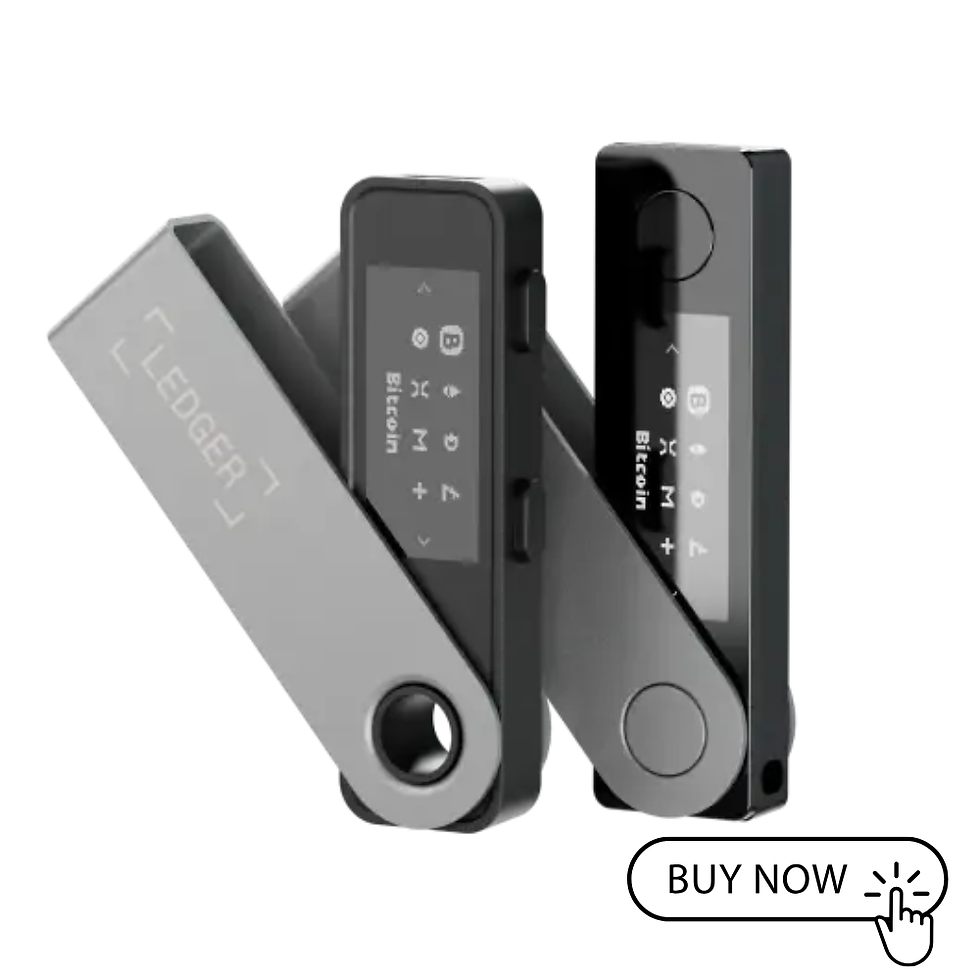
Ledger Nano S Plus
If you're looking for affordable cold storage, the Ledger Nano S Plus remains an excellent choice.
It offers the same core security architecture as more expensive models while keeping costs lower.
For many investors, it's one of the best value hardware wallets available today.
The Cost of Security Is Small Compared to the Cost of Losing Everything
Many people hesitate before buying a hardware wallet. Then they spend thousands, or even tens of thousands, on cryptocurrency. That comparison always surprises me.
If your portfolio is worth several thousand dollars, investing in proper security is one of the smartest decisions you can make.
A hardware wallet isn't an investment that generates returns. It's insurance against mistakes that could erase years of gains.
SecondFi/Yoroi Wallet Hack: Here's Why More Crypto Investors Are Moving to Hardware Wallets: Every new wallet exploit reminds us that crypto ownership comes with responsibility. No wallet can eliminate every possible risk. No device can stop every scam. What you can do is reduce your exposure to unnecessary threats.
For most long-term investors, that means moving significant holdings off internet-connected software wallets and into trusted cold storage. The goal isn't to live in fear of the next hack.
It's to make sure that if another headline appears tomorrow morning, you can read it with far greater peace of mind, knowing your private keys remain exactly where they should be, safely under your control.


Comments