
I Thought Hardware Wallets Were Unhackable, Then I Read About a Laser Attack on Tangem

This content includes affiliate links for Ledger products. If you purchase through these links, we earn a commission at no extra cost to you. This is not financial advice. Cryptocurrency assets carry high risks, including the risk of losing your entire investment. Please do your own research and make decisions based on your personal risk tolerance.
When I first bought a hardware wallet, I slept better at night.
After hearing countless stories about hacked exchanges, phishing scams, and malware stealing crypto, having my private keys stored offline felt like the safest decision I could make. Like many people, I believed that if my coins were inside a hardware wallet, they were practically impossible to steal.
Then I came across a fascinating piece of security research from Ledger Donjon.
It described how researchers managed to bypass the security of a Tangem hardware wallet card using a laser.
Yes, a laser.
At first, it sounded like something from a science fiction movie. After reading the research more carefully, I realized the story was much more interesting than the headline suggested.
It wasn't a reason to panic. Instead, it was a reminder that security is never absolute, especially when someone has physical access to your device.
Laser Attack on Tangem: What happened?
Ledger Donjon is Ledger's internal security research team. Their job is simple. Try to break hardware wallets before criminals do. In their research, they demonstrated a laboratory attack against a Tangem card using a technique called laser fault injection.
This isn't about guessing passwords or cracking encryption. Instead, attackers use an extremely precise laser to interfere with the tiny electronic circuits inside a secure chip while it is processing instructions.
For a split second, the chip can behave differently than intended. That tiny interruption may cause a security check to be skipped or a password verification to fail in unexpected ways. Using this technique, the researchers showed they could bypass parts of Tangem's security process and eventually gain control of the wallet.
It sounds dramatic, but the details matter.
Does this mean Tangem is broken?
Not really.
The attack is real, but it is also incredibly difficult. An attacker would need physical possession of your Tangem card. They would also need expensive laboratory equipment, advanced knowledge of chip security, and plenty of time.
This is not something someone can do from across the internet. It is not something your average thief can perform.
It is certainly not something that happens because you clicked the wrong website.
Tangem has responded by saying that while the research is technically impressive, it is not a practical attack against everyday users.
That is a fair point.
Most crypto theft today still comes from phishing, fake wallet apps, malicious browser extensions, and social engineering.
Those attacks are far cheaper and much easier for criminals.
What exactly is a laser fault injection attack?
Imagine someone trying to crack a safe. Instead of figuring out the combination, they briefly interfere with the lock mechanism so it skips one of its security checks. That is similar to what laser fault injection does.
The laser does not break the encryption. It does not magically reveal your private keys.
Instead, it causes tiny electrical disturbances inside the chip while it is running. If timed perfectly, the chip may make a mistake.
Modern secure chips include many protections against this type of attack.
The challenge for researchers is finding very specific moments where those protections can be bypassed. This takes months of research and highly specialized equipment.
It is one of the most advanced forms of hardware hacking.
Should crypto holders be worried?
For most people, the answer is no. If you own a hardware wallet, your biggest risks are still the familiar ones. You accidentally approve a malicious transaction. You reveal your recovery phrase. You fall for a fake support website. You install malware on your computer.
These attacks happen every day because they are simple and profitable. A laboratory laser attack is completely different. It is expensive. It is slow. It requires physical possession of the device. It usually targets individuals holding very large amounts of cryptocurrency. If you are an everyday investor, phishing remains a much bigger threat than lasers.
The biggest lesson
The research teaches an important lesson.
No hardware wallet should ever be described as "unhackable." Security is about making attacks so difficult and expensive that they are not worth attempting. Think about a luxury safe in your home. A determined attacker with unlimited time, industrial tools, and no interruptions might eventually open it. That does not make the safe useless.
It simply means every security system has limits. The same applies to hardware wallets.
Good security raises the cost of attacking you. That is exactly what hardware wallets are designed to do.
Why security research matters
Some people see reports like this as bad publicity. I see them differently. Security researchers help the entire industry improve. Every time researchers discover a weakness, wallet manufacturers learn more about defending against future attacks. Independent testing makes products stronger over time.
It also keeps manufacturers accountable. That benefits everyone who owns cryptocurrency. Instead of ignoring security research, users should welcome it. Transparency builds trust.
Choosing a hardware wallet
If you are buying your first hardware wallet, don't focus only on dramatic headlines.
How well does the company support its products? Do they regularly publish security research? Can firmware be updated? How easy is it to verify transactions? How simple is the backup process?
A good hardware wallet balances security with everyday usability. The safest wallet in the world is not very helpful if it is too confusing to use correctly.
Protect your crypto with Ledger
If security is your priority, Ledger remains one of the most respected names in hardware wallets. The company combines secure element technology with years of dedicated security research through Ledger Donjon, continually testing both its own products and those of the wider industry.
Here are some excellent options to consider.
Ledger Stax
Ledger Stax features a large curved E Ink touchscreen that makes reviewing transactions easy and comfortable. Designed by Tony Fadell, the creator of the iPod, it combines premium design with strong security, making it ideal for long term investors who want a modern user experience.

Ledger Flex
Ledger Flex offers many of the premium features found in Ledger Stax in a more compact design. Its secure touchscreen helps you verify every transaction clearly, giving you confidence before approving any transfer.

Ledger Nano Gen5
The latest generation Ledger Nano builds on Ledger's proven security architecture with updated hardware and improved usability. It is an excellent choice for users who want the newest technology without sacrificing portability.

Ledger Nano X
Ledger Nano X remains one of the most popular hardware wallets available today. Bluetooth connectivity allows you to manage your crypto securely from your smartphone while keeping your private keys safely offline.
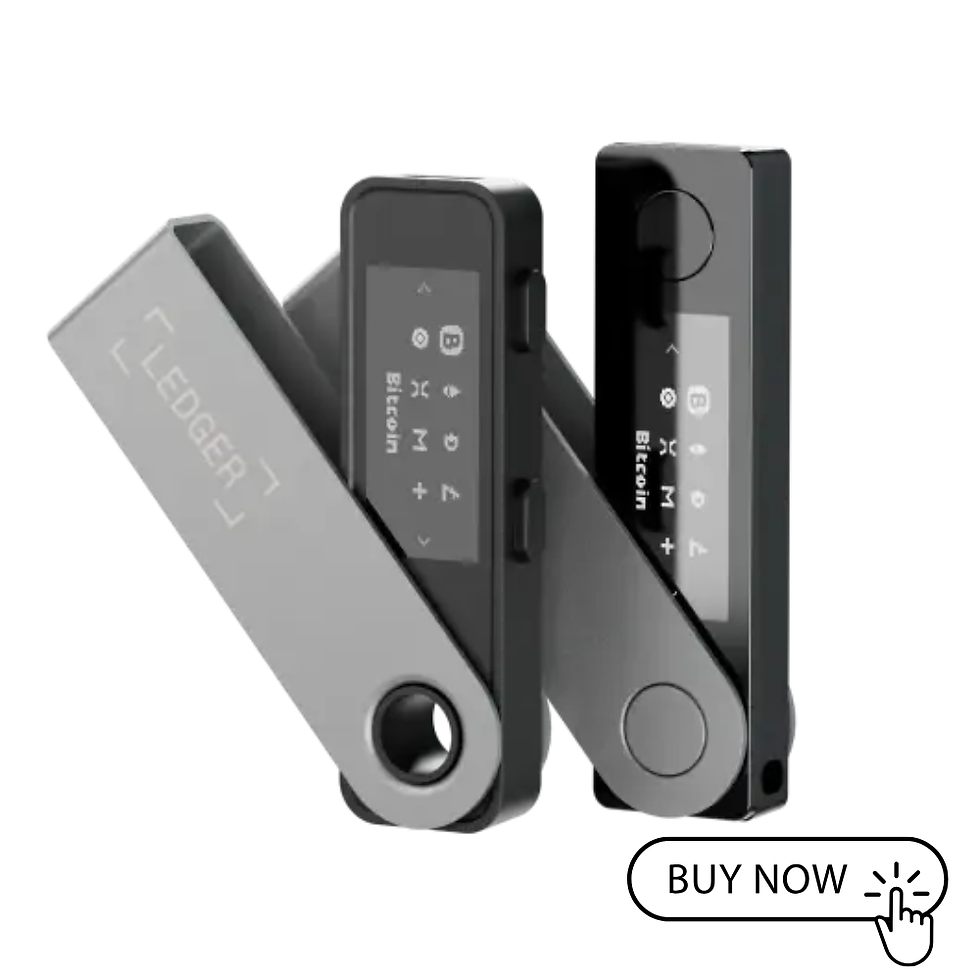
Ledger Nano S Plus
Ledger Nano S Plus continues to offer outstanding value. It supports thousands of cryptocurrencies and NFTs while providing enterprise grade security at an affordable price. It is an excellent entry point for anyone moving their assets off an exchange.
The Tangem laser attack made headlines because lasers sound dramatic. The real takeaway is much less sensational.
Advanced laboratory attacks exist, but they are not the biggest danger facing most crypto investors. The greatest threats remain phishing, fake websites, malicious software, and poor security habits.
Owning a quality hardware wallet is still one of the smartest decisions you can make.
Combine it with strong passwords, careful transaction verification, secure storage of your recovery phrase, and healthy skepticism toward unexpected messages.
Good security is never about one perfect product. It is about building multiple layers of protection. That approach has served experienced crypto investors well for years, and it remains the best way to protect your digital assets today.


Comments