
Fake Ledger Letter Scam: How a Convincing “Quantum Security Update” Letter Targets Crypto Wallet Owners

Updated: Sep 5

This content includes affiliate links for Ledger products. If you purchase through these links, we earn a commission at no extra cost to you. This is not financial advice. Cryptocurrency assets carry high risks, including the risk of losing your entire investment. Please do your own research and make decisions based on your personal risk tolerance.
A new scam is circulating among cryptocurrency users, and it looks surprisingly real. Victims receive a physical letter that appears to come from the hardware wallet company Ledger. The letter warns about a supposed “Quantum Resistance Security Update” and urges the recipient to scan a QR code.
At first glance, everything about the letter looks legitimate. It carries the Ledger logo, a Paris address, a reference number, and even a signature from a company executive. But it is completely fake.
Let’s break down how this scam works and why it is dangerous.
Fake Ledger Letter Scam: What the Letter Claims
The letter tells the recipient that Ledger is rolling out a “Quantum Resistance” security upgrade. According to the message, quantum computers could eventually break traditional cryptography.
The letter claims users must complete a mandatory update to protect their crypto wallet. It lists several Ledger devices:
Ledger Nano S Gen5
Ledger Flex
Ledger Stax
Ledger Nano S
Ledger Nano X
The message says the user must scan the QR code to complete the update before a deadline. If they do not update, it warns that:
Ledger wallet access may be limited
Clear signing may stop working
Some features may break in future updates
The urgency is designed to pressure users into acting quickly. That is exactly what scammers want.
What Happens When Someone Scans the QR Code
The QR code typically leads to a fake website designed to look like Ledger’s official site.
Once there, the victim is asked to do one critical thing.
Enter their 24-word recovery phrase.
This phrase is the master key to the wallet. Anyone who obtains it can immediately transfer all funds out of the wallet.
Unlike bank fraud, crypto transactions cannot be reversed. The moment the recovery phrase is entered, the attacker can drain the wallet.
Why This Scam Is So Convincing
The fake Ledger letter scam is particularly dangerous because it combines physical mail with digital phishing.
Most people expect phishing through email. Receiving a printed letter feels more trustworthy.
The attackers also mimic several details:
Official Ledger branding
A corporate address in Paris
Device names that actually exist
A realistic looking security explanation
The letter even references quantum computing threats, which sounds technical and credible. To someone who owns a Ledger wallet, the message may seem completely legitimate.
The Big Red Flag
There is one rule every hardware wallet owner must remember.
No legitimate company will ever ask for your recovery phrase.
Not Ledger. Not an exchange. Not a support agent.
The recovery phrase should only ever be entered directly on the hardware wallet during setup or recovery, never on a website.
If any website, email, or letter asks for the phrase, it is a scam.
Why Scammers Use the “Quantum Security” Story
The “quantum computing threat” narrative is clever. Quantum computers are widely discussed in cybersecurity circles. Some people know that future quantum machines could theoretically break certain cryptographic systems.
Scammers exploit this fear.
By framing the update as a mandatory quantum protection upgrade, the attackers create a believable reason for an urgent update. Most users are not familiar enough with cryptography to question the claim.
How to Protect Yourself
If you receive a letter like this, do not scan the QR code.
Instead follow a few simple rules.
1. Never enter your recovery phrase online
The phrase belongs only on your hardware wallet device.
2. Ignore unsolicited security alerts
If you receive an unexpected message about your wallet, verify it independently.
3. Visit official websites manually
Always type the official website into your browser rather than clicking links or scanning QR codes.
4. Stay skeptical of urgency
Scams often use deadlines and warnings to pressure people into acting quickly.
Protect Yourself with a Genuine Ledger Hardware Wallet
Scammers are becoming more sophisticated, but one thing has never changed. Your private keys should stay offline, and your 24 word Secret Recovery Phrase should never be entered into a website, no matter how convincing it looks.
A genuine Ledger hardware wallet helps protect your crypto by keeping your private keys inside a secure chip that is designed to resist attacks. Even if your computer is infected with malware or you receive a fake email, text message, or physical letter, your assets remain protected as long as you verify every transaction on your Ledger device and never reveal your recovery phrase.
If you're considering a hardware wallet, here are some excellent options:
Ledger Stax is the premium choice. Its large curved E Ink touchscreen makes it easy to review wallet addresses and transaction details before approving them. It is ideal for long term investors who regularly manage multiple cryptocurrencies and NFTs.

Ledger Flex offers a modern touchscreen experience in a slimmer, more portable design. It combines convenience with strong security, making it a great everyday hardware wallet for both beginners and experienced crypto users.

Ledger Nano Gen5 represents the newest generation of Ledger security, delivering enhanced performance together with Ledger's trusted Secure Element technology. It is an excellent choice for users who want the latest hardware and long term support.

Ledger Nano X remains one of the most popular hardware wallets available. With Bluetooth connectivity and a built in battery, it allows you to securely manage your crypto whether you're at home or on the move.
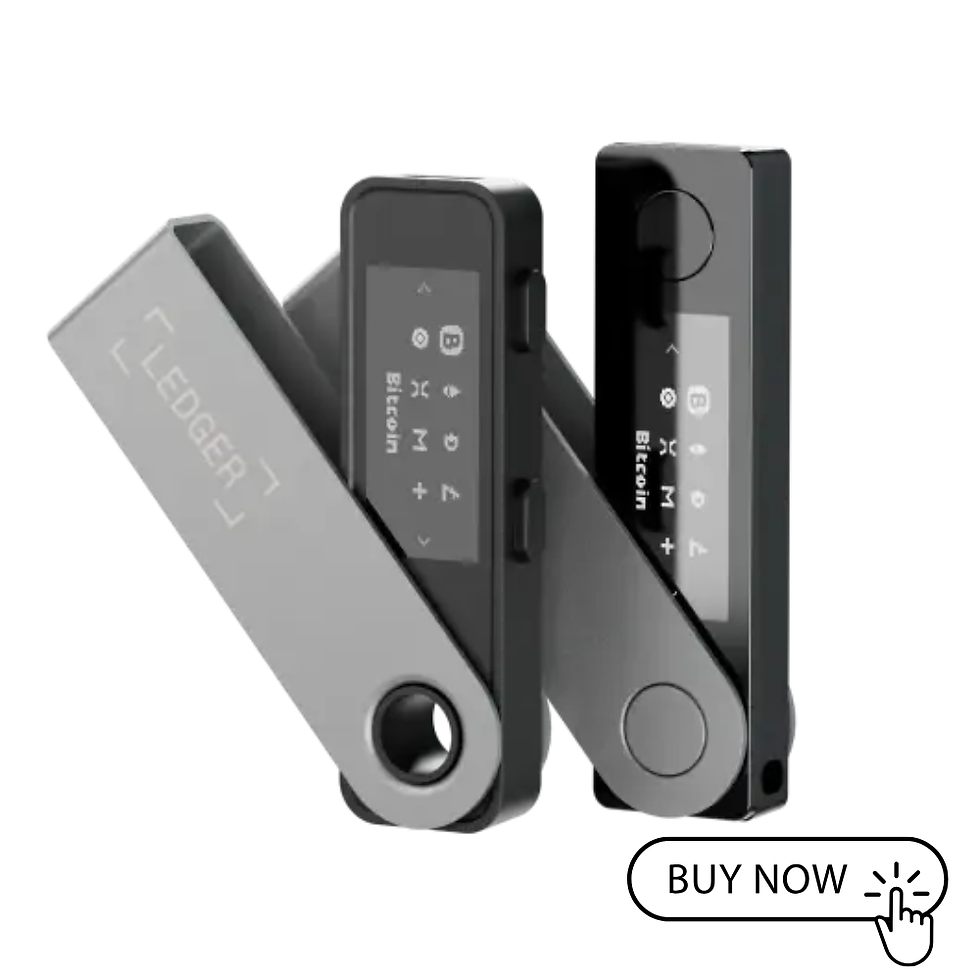
Ledger Nano S Plus is the perfect entry level option. It provides the same high level of security as its larger siblings while offering outstanding value for anyone starting their self custody journey.
Remember, no hardware wallet can protect you if you voluntarily give away your Secret Recovery Phrase. Ledger will never ask for it through email, text message, phone calls, QR codes, or physical letters. If anyone asks for your recovery phrase, it is a scam.
Read more: Is Ledger Signer Worth It in 2026?
Physical Mail Scams Are Increasing
Crypto scams are evolving. Early attacks focused on phishing emails and fake apps.
Now criminals are experimenting with physical mail scams. Sending printed letters allows them to target known wallet owners and create a sense of legitimacy.
This tactic has already appeared in several countries, including the United States and parts of Europe.
If there's one thing you take away from this blog: Any physical letter claiming to be from Ledger that asks you to scan a QR code or enter your 24-word Secret Recovery Phrase is a phishing scam.


Comments