
Android Chip Flaw Raises New Crypto Security Questions, How Ledger Cold Wallets Can Help

Updated: May 8
This content includes affiliate links for Ledger products. If you purchase through these links, we earn a commission at no extra cost to you. This is not financial advice. Cryptocurrency assets carry high risks, including the risk of losing your entire investment. Please do your own research and make decisions based on your personal risk tolerance.
Crypto security often feels abstract until a real discovery changes the conversation.
Recently, Ledger’s security research team, Donjon, revealed a serious vulnerability affecting certain Android devices powered by MediaTek chips. The finding sparked fresh discussions across the crypto world. People began asking familiar questions. Is storing crypto on a phone safe. Should long term holdings be moved into cold wallets. What practical steps can users take today.
We will explain what was discovered, why it matters, and how Ledger cold wallets can play an important role in protecting digital assets.
A security flaw that shook confidence: Android Chip Flaw Raises New Crypto Security Questions
Ledger researchers showed that attackers could extract sensitive information from some Android phones in a swift. In controlled tests, data linked to crypto wallets could be accessed in under a minute, even when the device appeared powered off. That sounds alarming because many people use smartphones as their main crypto gateway.
Mobile wallets are popular for good reasons. They are simple to set up. They allow instant transfers. They support DeFi, NFTs, and payments. They also feel familiar since most financial apps already live on our phones.
Yet smartphones are built for versatility, not high security storage. They run complex operating systems. They install countless apps. They connect to public networks. Every layer increases convenience, yet also increases risk.
When a vulnerability appears deep inside hardware or firmware, even careful users may be exposed.
Why hot wallets face unique risks
Hot wallets are called hot because they stay connected to the internet. That constant connectivity creates opportunities for attackers.
Some common risks include:
Malware or spyware installed through fake apps
Phishing websites that trick users into revealing seed phrases
Exploits targeting operating system flaws
Physical device compromise
Screen recording or accessibility abuse
Most users assume their phone security protects everything inside it. In reality, crypto keys demand stronger isolation than typical banking apps.
Banks can reverse fraudulent transactions. Crypto cannot. This simple difference changes the entire security mindset.
Cold wallets change the security model
Cold wallets take a different approach.
Instead of trusting a general purpose device like a phone or laptop, they store private keys inside dedicated secure chips. These chips are designed specifically to resist extraction attempts.
Transactions still happen online, yet the signing process happens offline within the device. That separation reduces exposure dramatically. Think of it this way. A hot wallet is like carrying cash in your pocket. A cold wallet is like storing valuables in a safe at home.
Both have their place. The key is knowing when to use each.
How Ledger devices help protect crypto
Ledger cold wallets are among the most widely used hardware solutions for self custody. Their design focuses on isolating private keys while keeping everyday usage practical.
Here are some ways they improve security.
Hardware isolation
Private keys stay inside a secure element chip. They never leave the device, even when connected to a computer or phone.
Clear transaction verification
Users confirm transaction details directly on the hardware wallet screen. This helps prevent hidden malware attacks that modify addresses.
Recovery phrase control
The seed phrase is generated and displayed on the device itself. Users write it down offline. This reduces exposure to digital threats.
Optional passphrase protection
Advanced users can add extra layers of protection, making stolen recovery phrases less useful.
Cold wallets are not Harry Potter’s magic shields. Poor habits can still lead to losses. Yet they remove many of the most common technical attack paths.
Introducing modern Ledger devices
Ledger has continued evolving its product lineup to balance security, usability, and design. Let’s look at some of the current models.
Ledger Stax
Ledger Stax represents a shift toward a more intuitive and premium hardware wallet experience.
It features a curved E Ink touchscreen that feels closer to using a modern gadget than a traditional security device. Users can review transaction details clearly and navigate menus more comfortably.
Wireless charging and Bluetooth connectivity improve everyday convenience. At the same time, the secure element architecture keeps private keys protected.
Stax is aimed at users who want strong security with premium user experience.

Ledger Flex
Ledger Flex focuses on practical flexibility.
It is designed for people who frequently interact with decentralized apps or manage multiple assets. A clean interface and smooth connection options make it suitable for active crypto participants.
Security remains rooted in hardware isolation, while usability improvements reduce friction during regular transactions.
For users balancing cold storage with operational crypto use, Flex offers a middle ground.

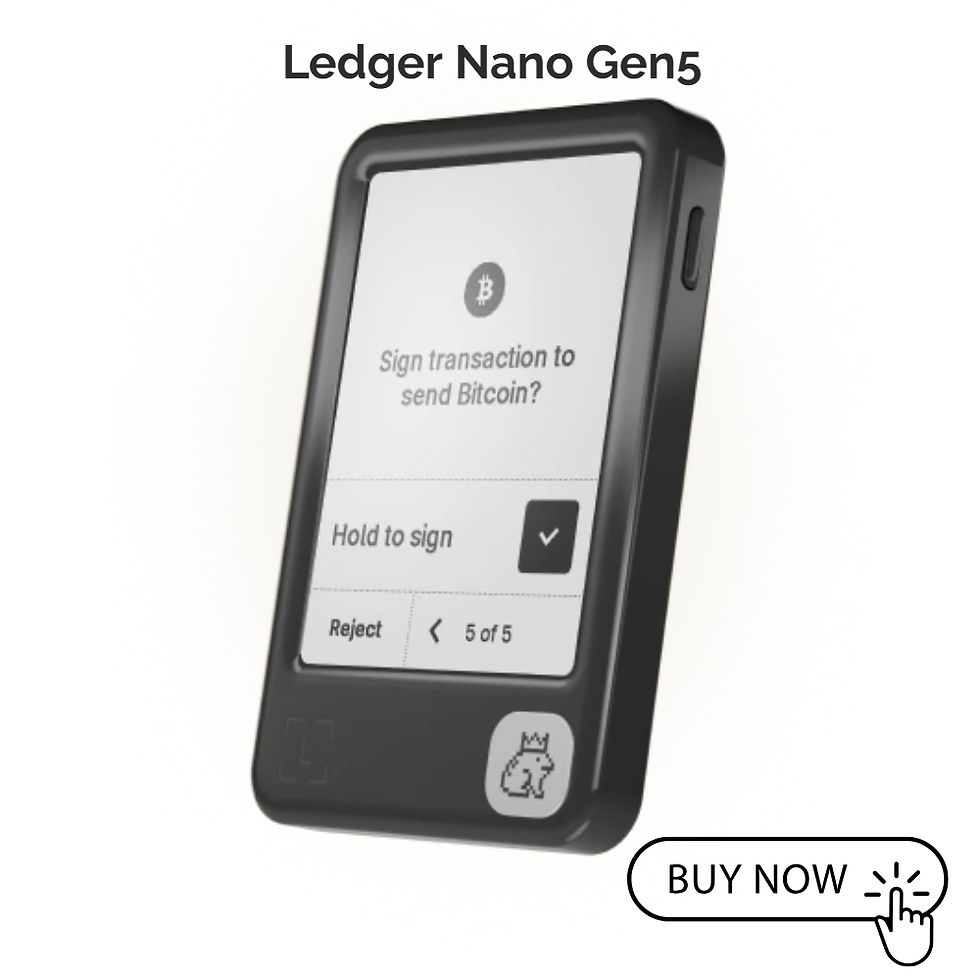
Ledger Nano Gen5
The Nano Gen5 builds on Ledger’s long standing Nano line with upgraded performance and improved user flows.
It supports an impressive range of cryptocurrencies and integrates with modern wallet software environments. Faster response times and refined security features make it suitable for both newcomers and experienced holders.
This device targets users who want dependable cold storage that stays relevant as crypto ecosystems evolve.
Ledger Nano X
The Nano X remains a popular choice thanks to its mobile friendly design.
Bluetooth connectivity allows users to manage crypto securely through a smartphone without exposing private keys. This is especially useful for people who travel often or prefer managing assets on the go.
It strikes a strong balance between portability, asset support, and robust hardware security.

Ledger Nano S Plus
Nano S Plus is often seen as an accessible entry point into cold storage.
It offers strong security fundamentals at an affable price level. A straightforward interface and wide coin compatibility make it suitable for long term holders who do not need advanced connectivity features.
For many users, this device becomes their first step toward safer crypto custody.
The rise of hybrid storage habits
Discoveries like the Android chip flaw reinforce an important trend. Most crypto users eventually adopt hybrid storage strategies.
Instead of choosing between hot wallets or cold wallets, they combine both.
Examples include:
Keeping trading funds in a mobile wallet
Storing savings in a hardware wallet
Using Ledger to sign transactions connected to software wallets
Moving large balances into cold storage after profits
This layered approach mirrors traditional finance behavior. People keep daily spending money in checking accounts. They store wealth in savings accounts, investments, or safes.
Crypto security is evolving in a similar direction.
Multisig and advanced setups
Another lesson from recent vulnerabilities is the value of shared control. Multisignature wallets require multiple approvals before funds move. This can involve combinations of hardware wallets, phones, or institutional custody systems. Even if one device is compromised, attackers cannot access funds easily.
While multisig setups may feel complex for beginners, they are becoming more user friendly. Over time, they could become standard for high value holdings. Learn about Ledger Multisig >
Human behavior still matters most
Technology can reduce risk. It cannot eliminate it. Many crypto losses still happen because of simple mistakes.
Examples include:
Taking photos of recovery phrases
Sharing wallet screenshots publicly
Falling for fake support messages
Storing seed phrases in cloud notes
Connecting to malicious websites
A hardware wallet helps create strong boundaries. Yet safe habits remain essential.
Security is a system, not a single device.
What this discovery means going forward
The Android vulnerability highlights a bigger reality. Consumer technology evolves quickly. Security flaws appear unexpectedly.
Crypto ownership places more responsibility on individuals than traditional finance.
As awareness grows, more users will likely move meaningful wealth into cold storage solutions. At the same time, hot wallets will continue growing because they enable participation in new crypto experiences.
This balance defines the future of self custody. Convenience brings people into crypto. Security keeps them there.
The Android chip flaw raises new crypto security questions. Ledger’s discovery does not mean smartphones are unsafe for all crypto activity. It does mean users should think carefully about where they store long term holdings.
Cold wallets offer a powerful layer of protection by isolating private keys from everyday digital risks. Devices like Ledger Stax, Flex, Nano Gen5, Nano X, and Nano S Plus provide different paths into safer self custody depending on user needs.
As the crypto landscape matures, smarter storage habits will likely become normal. The goal is not fear. The goal is resilience.
Owning crypto securely is not about one perfect solution. It is about building mindful layers that work together over time.


Comments