
What Happens If You Lose Your Ledger Signer?

This content includes affiliate links for Ledger products. If you purchase through these links, we earn a commission at no extra cost to you. This is not financial advice. Cryptocurrency assets carry high risks, including the risk of losing your entire investment. Please do your own research and make decisions based on your personal risk tolerance.
A Crypto Bro once called me in a panic after a weekend fishing trip.
"I think I've lost my wallet."
At first, I thought he meant the one holding cash and credit cards. Those can usually be replaced. But he was talking about something much more valuable, his crypto wallet device.
The moment he realized it was missing, his mind jumped to the worst possible scenario. Were his Bitcoin and Ethereum gone forever? Could someone steal everything? Had years of careful investing disappeared overnight? If you've ever asked yourself what would happen if you lost your Ledger Signer, you're not alone. It's one of the most common fears among crypto holders.
The good news is that losing the device itself usually does not mean losing your cryptocurrency.
First, What Is a Ledger Signer?
A Ledger Signer is designed to approve transactions and protect your private keys. Think of it as a highly secure key that gives access to your crypto accounts.
What many beginners misunderstand is that your coins are not stored inside the device.
Your Bitcoin, Ethereum, and other assets remain on the blockchain. The device simply protects the private keys needed to access and move those assets.
This distinction is important because it explains why losing a device is very different from losing your cryptocurrency.
What Happens If You Lose Your Ledger Signer?
The first thing to understand is that a lost Ledger Signer does not automatically put your assets at risk. Anyone who finds the device still faces several barriers.
Most Ledger devices are protected by a PIN code. Without the correct PIN, accessing the wallet becomes extremely difficult. After multiple incorrect attempts, Ledger devices are designed to wipe themselves, preventing brute force attacks. That means finding a lost Ledger Signer is not the same as gaining access to someone's crypto portfolio.
Your biggest concern should not be the missing device itself. Your biggest concern should be whether your recovery information remains safe.
The Real Risk Is Your Recovery Backup
When setting up a Ledger wallet, users receive a recovery phrase. This phrase is often 24 words long and acts as the master backup to your crypto accounts. If someone gains access to both your Ledger device and your recovery phrase, the situation becomes much more dangerous.
This is why experienced crypto investors often spend more time protecting their recovery phrases than protecting the hardware wallet itself. The hardware can be replaced.
The recovery phrase is what truly matters.
Can Someone Steal Your Crypto From a Lost Ledger Signer?
In most situations, the answer is no.
A random person finding the device would still need:
The correct PIN
Any additional security protections
Access to your recovery information
Without those pieces, your assets remain protected. This is one of the main reasons hardware wallets are considered much safer than keeping funds on an exchange or a software wallet.
Even if the device falls into the wrong hands, multiple layers of security stand between the attacker and your funds.
What Should You Do Immediately?
If you lose your Ledger Signer, don't panic.
Follow these simple steps.
Step 1: Locate Your Recovery Phrase
Confirm that your recovery phrase is still secure. Check your backup location. Make sure nobody else has access to it.
Step 2: Assess Your Risk
Think about where the device was lost. Did you lose it at home? In a hotel? At an airport? In a public place? If there is any chance that someone could connect the device to you personally, it may be wise to move your assets to a new wallet once you've recovered access.
Step 3: Restore Your Wallet
Using a new Ledger device or another compatible wallet, restore access using your recovery phrase. Your balances and accounts should reappear after the setup process is completed.
Step 4: Move Funds if Necessary
If you're worried that your recovery phrase may have been exposed, create a completely new wallet and transfer your assets there. This gives you a fresh set of credentials and eliminates lingering security concerns.
What If You Lose Both the Device and Recovery Phrase?
This is the scenario every crypto holder hopes to avoid.
If both are gone and no backup exists, recovering your assets becomes extremely difficult, often impossible. This is why proper backup practices are essential. Many experienced investors store recovery phrases in multiple secure locations. Some use fireproof storage. Others use metal backup plates that can survive water damage, fire, and physical wear. The best time to create a backup plan is before an emergency happens.
A Quick Look at Popular Ledger Devices
If you're considering a replacement, Ledger offers several hardware wallet options.
Ledger Stax
Ledger Stax features a curved E Ink touchscreen and a modern design created for everyday usability.
It feels more like a premium consumer device than a traditional hardware wallet. The large display makes reviewing transactions easier, especially for users managing multiple assets.

Ledger Flex
Ledger Flex brings touchscreen functionality to a more compact form factor. It's designed for users who want convenience without sacrificing security. Many crypto enthusiasts view it as a balance between portability and advanced features.

Ledger Nano Gen5
The Nano Gen5 represents Ledger's newer generation of hardware wallet technology. It focuses on improved security architecture and future-ready functionality while maintaining the familiar Ledger experience.

Ledger Nano X
The Nano X remains one of the most popular hardware wallets in the world. Its Bluetooth capability allows users to manage crypto assets through mobile devices while maintaining strong security protections. For active investors, the Nano X often strikes a good balance between flexibility and protection.
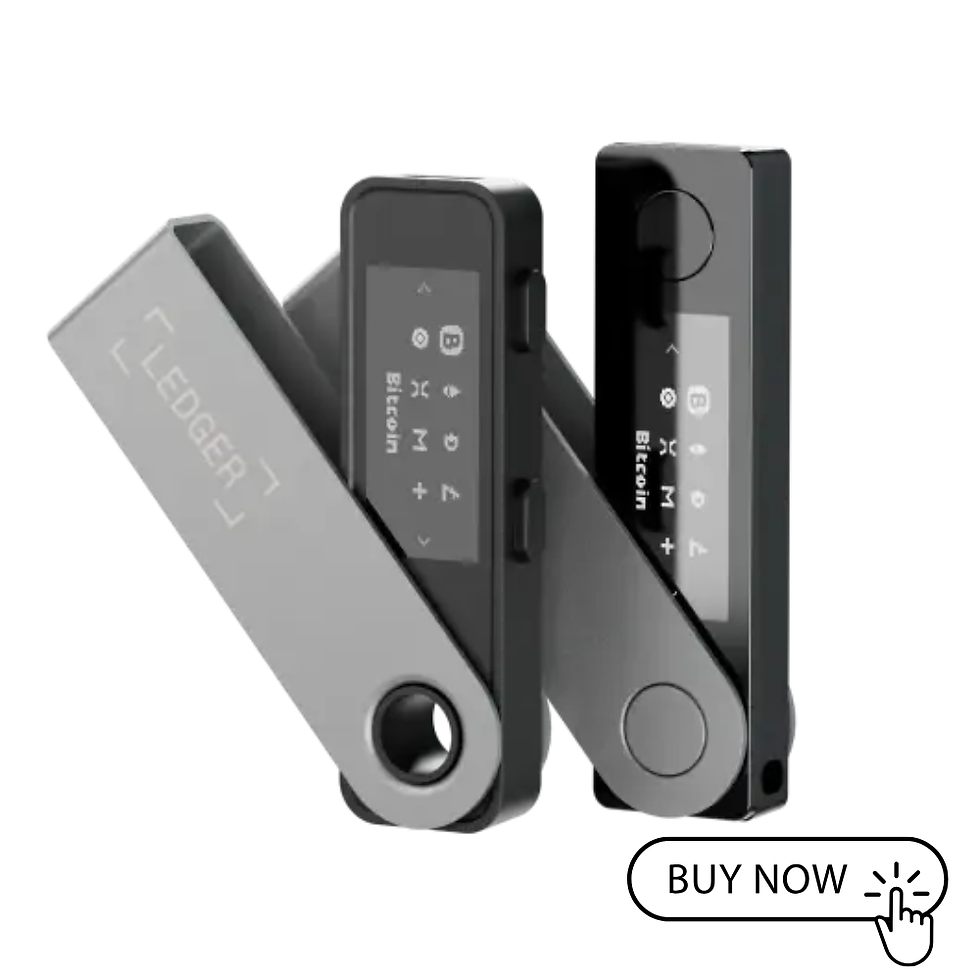
Ledger Nano S Plus
The Nano S Plus is frequently recommended for beginners. It provides robust security without many of the premium extras found in higher-end models. For long-term holders who rarely move funds, it remains a practical choice.
How to Prevent Future Problems
Losing a wallet device can be stressful, but it also serves as a reminder to strengthen your security setup.
Consider these habits:
Store recovery phrases offline.
Never take photos of recovery phrases.
Avoid storing recovery phrases in cloud storage.
Keep backups in separate locations.
Use a strong PIN.
Review your security plan every few months.
These simple precautions dramatically reduce the chances of permanent loss.
The Biggest Lesson
What happens if you lose your Ledger signer? Many people assume their crypto lives inside a hardware wallet. That's not actually how it works. Your assets exist on the blockchain. The wallet is simply a tool that lets you securely access them. If you lose your Ledger Signer but still have your recovery phrase, you're usually in a good position.
You can restore access, replace the hardware, and continue managing your portfolio.
The real danger comes from poor backup practices, not from losing the device itself.
So if your Ledger Signer ever goes missing, take a deep breath before assuming the worst.
In most cases, your crypto is still exactly where it was before, waiting for you to reconnect using the proper recovery process.


Comments