
Buy Hardware Wallets For Bitcoin and Ethereum: What You Need to Know First

This content includes affiliate links for Ledger products. If you purchase through these links, we earn a commission at no extra cost to you. This is not financial advice. Cryptocurrency assets carry high risks, including the risk of losing your entire investment. Please do your own research and make decisions based on your personal risk tolerance.
When people first buy Bitcoin and Ethereum, they usually start by using an exchange wallet or a simple mobile app. It feels easy at the beginning, but as your portfolio grows, you will reach a point where you realise something important. If your private keys stay online, they stay exposed. Anyone who gains access to those keys gains access to your funds. This is why people buy hardware wallets. They want protection that does not rely on exchanges, apps, or devices that can be hacked.
If you want to keep your Bitcoin and Ethereum safe for the long term, buying a hardware wallet is one of the smartest choices you can make. This guide explains everything you need to know before you buy your first device. You will learn why hardware wallets matter, how they work, what features to look for, and which models are trusted by millions of users.
Let us get started.
Why You Should Buy Hardware Wallets For Bitcoin and Ethereum
Online wallets are convenient, but they cannot match the safety of a hardware wallet.
Here is why.
1. Your keys stay offline
Hardware wallets keep private keys inside a secure chip that is never exposed to your phone or computer. Even if your laptop is infected, your keys remain locked away.
2. You control your crypto directly
When you store Bitcoin and Ethereum on an exchange, the exchange controls the private keys. If the exchange is hacked or freezes withdrawals, you have no control. Hardware wallets put the keys back into your hands.
3. You avoid fake approvals and malicious signatures
Malware can trick software wallets into signing dangerous transactions. With a hardware wallet, you must confirm every action on the device itself. You see what you are signing before you approve it.
4. You protect yourself from phishing attacks
Even if a website is fake, a hardware wallet will not sign a transaction unless you approve it physically. This extra step protects you from many common scams.
These benefits explain why you should buy hardware wallets. Once you see the difference, it becomes clear that hardware wallets are not optional. They are essential.
How Hardware Wallets Work
To understand why they are so safe, you need to understand how hardware wallets operate.
A hardware wallet generates your private keys on the device. The keys never leave that secure environment. When you send Bitcoin or Ethereum, the transaction is prepared on your computer or phone, but the signing happens inside the hardware wallet. Only the signature is sent back to the computer, not the key.
This simple design solves the biggest problem in crypto security. Attackers cannot steal what they cannot access.
What You Should Look For Before You Buy Hardware Wallets
There are many brands, but not all devices are created equal. Before you buy hardware wallets for Bitcoin and Ethereum, check these important features.
1. Certified Secure Element Chip
Look for a device with a secure element rated CC EAL5 plus or higher. This ensures resistance to physical and digital attacks.
2. Clear Signing Experience
For safety, you need to see transaction details on the device itself. Larger or clearer screens reduce the risk of blind signing.
3. Reliable Firmware Updates
Security improves over time. Choose a brand that releases updates often and maintains the device well.
4. Strong DeFi and wallet compatibility
Ethereum users often rely on MetaMask, WalletConnect, staking tools, and DeFi platforms. Make sure your device supports these connections.
5. Recovery process
Your recovery phrase must be generated on the device and never shown to any app or website. Hardware wallets that break this rule are unsafe.
6. Brand transparency and reputation
Choose a brand that has a public security team, responsible disclosure processes, and years of trusted service.
These factors matter more than marketing claims. Strong security comes from strong design.
Recommended Models When You Buy Hardware Wallets
(Specifications referenced from shop.ledger.com hardware wallet comparison page)
Ledger remains one of the most trusted brands because of its secure element chips, compatibility with thousands of tokens, and constant security research from the Ledger Donjon team. Here are the most popular models used by Bitcoin and Ethereum holders.
Ledger Stax
Large 3.7-inch curved E Ink touchscreen
Bluetooth, USB-C, and NFC
Wireless Qi charging
CC EAL6 plus secure element
Ideal for heavy Ethereum and DeFi users who want large, clear transaction displays

Ledger Flex
Compact 2.8-inch E Ink display
USB-C, Bluetooth, and NFC
CC EAL6 plus secure element
A balanced choice for users who want a portable yet modern device

Ledger Nano Gen5
Secure signing screen
USB-C, Bluetooth, and NFC
CC EAL6 plus secure element
A strong modern choice for users wanting updated hardware in a compact size

Ledger Nano X
Monochrome screen
Bluetooth and USB-C
CC EAL5 plus secure element
Great for mobile users who manage crypto on the go
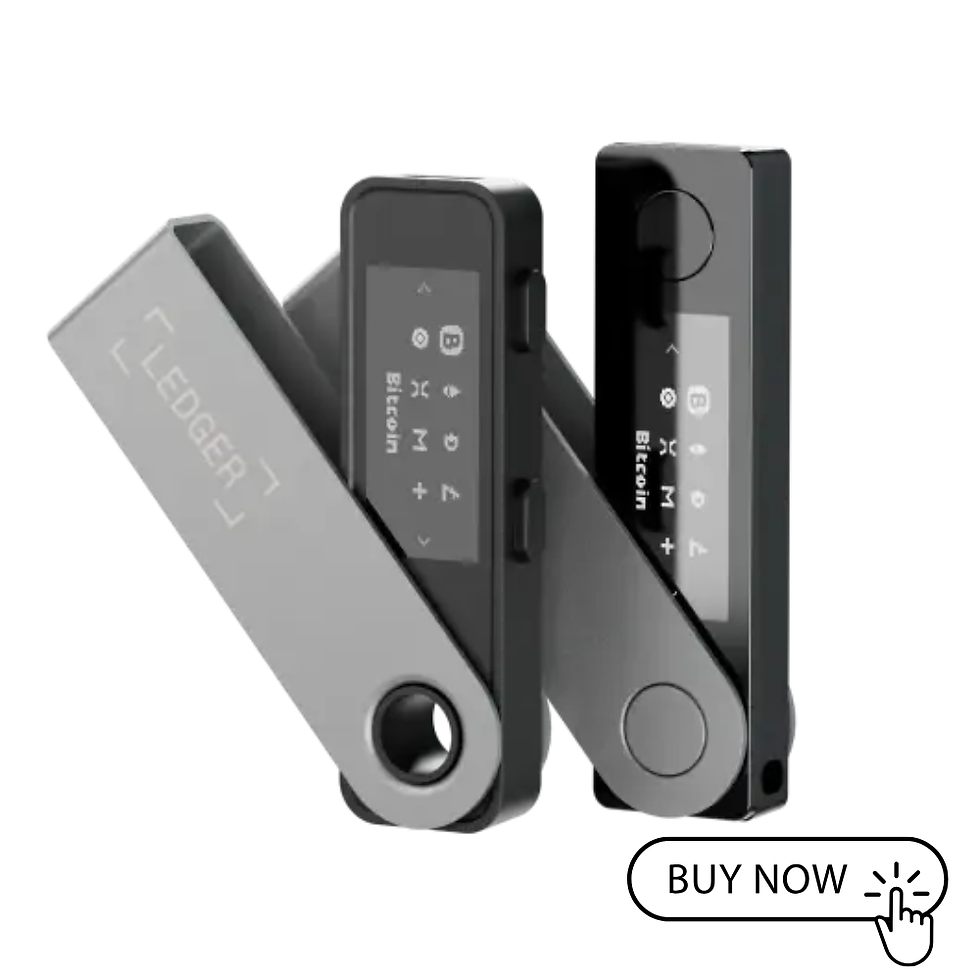
Ledger Nano S Plus
Monochrome display
USB C
CC EAL5 plus secure element
Excellent budget-friendly option for long-term storage
These models cover different needs and budgets, but all offer secure offline signing for Bitcoin and Ethereum transactions.
How Hardware Wallets Protect Bitcoin
Bitcoin transactions are simple but valuable. A hardware wallet protects Bitcoin by:
Preventing key exposure
Blocking malware-based sign requests
Avoiding clipboard attacks that change withdrawal addresses
Stopping exchange failures from affecting your funds
Allowing secure offline storage for long periods
If you plan to hold Bitcoin for years, buying a hardware wallet is the safest path.
How Hardware Wallets Protect Ethereum
Ethereum is flexible but risky. Smart contracts, approvals, and dApps create new attack paths every day. Hardware wallets protect you by:
Showing the contract details before signing
Preventing blind approvals
Keeping your key away from phishing apps
Protecting your funds even if your browser is compromised
Anyone who uses Ethereum heavily, especially with DeFi or NFTs, should use a hardware wallet.
How to Avoid Mistakes When You Buy Hardware Wallets
Here are common pitfalls to avoid.
1. Do not buy used devices
Never trust second-hand wallets. They can be tampered with.
2. Avoid unverified sellers
Always buy from official websites or authorised resellers.
3. Never share your recovery phrase
No brand, no support agent, and no website should ever ask for it.
4. Set up the device yourself
If it arrives set up already, it is compromised.
5. Test with a small amount first
Confirm everything works before moving your full balance.
If you want real control over your Bitcoin and Ethereum, the solution is simple. Buy Hardware Wallets. Not only do they keep your private keys offline, they protect you from phishing, malware, fake approvals, and exchange failures. Once you start using one, you realise how unsafe online wallets can be.
Whether you choose a premium model like Ledger Stax, a balanced device like Ledger Flex, or a value option like Nano S Plus, you gain a level of protection that software simply cannot provide.
Your crypto is valuable. Your security should be too.


Comments