
Best Practice: Hot Wallet vs Cold Wallet vs Burner Wallet

This content includes affiliate links for Ledger products. If you purchase through these links, we earn a commission at no extra cost to you. This is not financial advice. Cryptocurrency assets carry high risks, including the risk of losing your entire investment. Please do your own research and make decisions based on your personal risk tolerance.
Choosing the right crypto wallet setup is no longer optional. It is a core security decision. As scams evolve and on-chain risks burgeon, understanding the best practice hot wallet vs cold wallet vs burner wallet setup can mean the difference between staying safe and losing funds.
This guide breaks everything down clearly, then shows how to combine all three wallet types into a practical, real-world system. If security matters to you (it should), this is the foundation.
What is a Hot Wallet?
A hot wallet is any crypto wallet connected to the internet. Examples include browser wallets like MetaMask, mobile wallets, and desktop apps.
Strengths of hot wallets
Fast access to funds
Easy interaction with DeFi, NFTs, and dApps
Ideal for daily transactions
Risks of hot wallets
Vulnerable to phishing links
Exposed to malicious contract approvals
At risk from malware, fake extensions, and spoofed apps
Best practice
Only keep small, active balances in a hot wallet. Treat it like the cash in your physical wallet, not your savings account.
What is a Cold Wallet?
A cold wallet, also called a hardware wallet, stores your private keys offline. Transactions are signed on the device itself, not on your computer or browser.
This is where long-term security lives.
Why cold wallets are safer
Private keys never touch the internet
Malware cannot access your keys
Physical confirmation is required for every transaction
For anyone serious about crypto security, a cold wallet is non-negotiable.
Recommended cold wallets for best practice
Using hardware wallets from Ledger allows you to build a strong security foundation:
Ledger Stax
A premium touchscreen device with clear signing and intuitive transaction review. Ideal for users managing NFTs, DeFi, and larger portfolios.

Ledger Flex
A modern, flexible form factor with advanced security features, perfect for users who want portability without sacrificing safety.

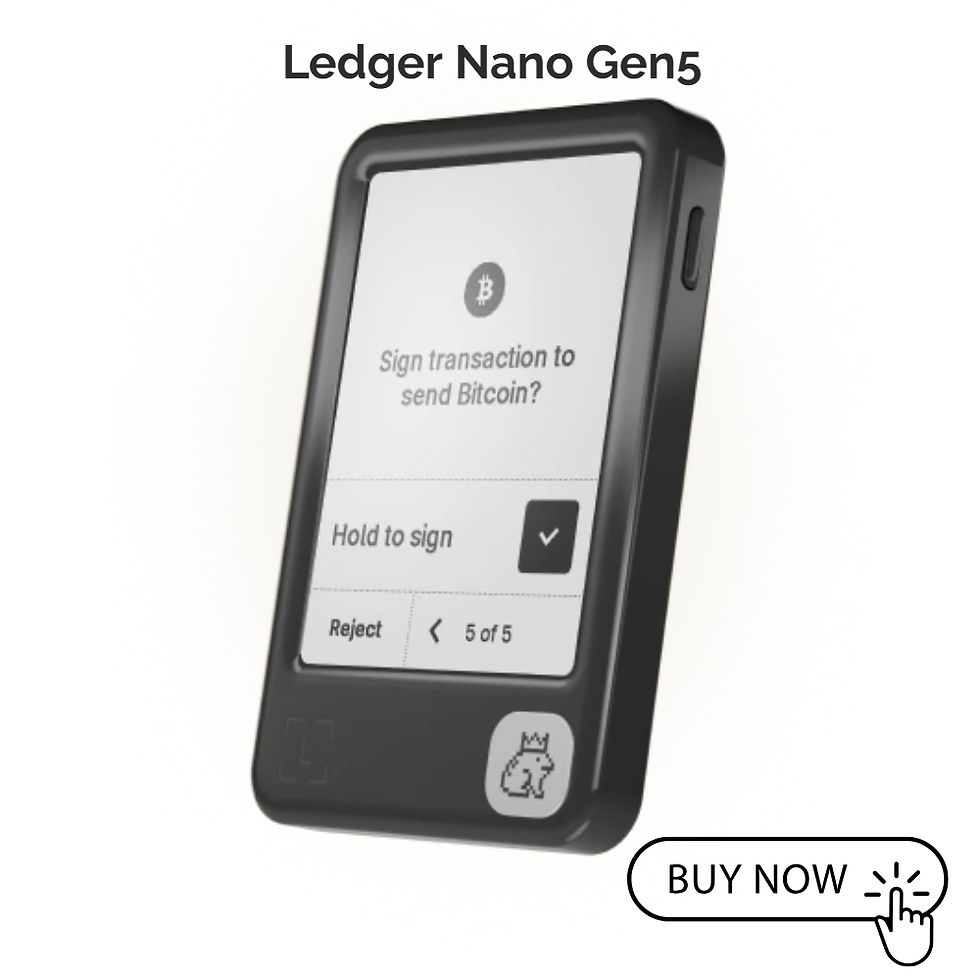
Ledger Nano Gen5
The newest generation with improved performance and usability, designed for serious long-term holders.
Ledger Nano X
A popular balance of mobility and power, suitable for everyday secure transactions.

Ledger Nano S Plus
A cost-effective option for cold storage, excellent for beginners or dedicated long-term holding.
What is a Burner Wallet?
A burner wallet is a disposable wallet used for risky interactions. Think of it as a sandbox.
Typical use cases
Minting NFTs
Testing new dApps
Claiming airdrops
Connecting to unknown protocols
Why burner wallets matter
Most wallet drains happen because users sign malicious transactions. A burner wallet isolates that risk.
If a burner wallet is compromised, your main funds stay untouched.
Hot Wallet vs Cold Wallet vs Burner Wallet Explained Simply
Wallet Type | Best For | Risk Level |
Hot Wallet | Daily use, DeFi, NFTs | Medium |
Cold Wallet | Long-term storage, large balances | Low |
Burner Wallet | High-risk interactions | High but isolated |
The mistake most users make is using only one wallet. Best practice uses all three together.
The Best Practice Wallet Setup (Recommended)
This is the setup used by experienced crypto users and security professionals.
1. Cold wallet as your vault
Your cold wallet holds:
Long-term investments
High-value NFTs
Funds not actively used
Ledger devices shine here because transactions must be physically confirmed on the device, preventing blind signing attacks.
2. Hot wallet as your spending account
Your hot wallet holds:
Small day-to-day balances
Funds for known platforms
Daily DeFi interactions
For best security, connect your hot wallet to your Ledger device. This adds hardware confirmation while keeping convenience.
3. Burner wallet as your shield
Your burner wallet handles:
New or unverified dApps
Experimental protocols
Free mints and airdrops
Never send funds directly from your cold wallet to risky contracts. Always route through a burner wallet.
Why Ledger Devices Fit Best Practice Perfectly
Ledger hardware wallets are built around a secure element chip. This is the same class of security used in passports and payment cards.
Key benefits include:
Offline private key storage
Clear signing on supported apps
Verified firmware updates
Broad ecosystem support
Using Ledger with a hot wallet lets you approve transactions safely without exposing your keys.
Common Mistakes to Avoid
Keeping everything in one wallet
This creates a single point of failure. One bad signature can drain everything.
Signing without reading
Always review transaction details on your Ledger device screen.
Using a cold wallet directly with unknown dApps
This defeats the purpose of cold storage. Use a burner wallet instead.
Ignoring token approvals
Regularly review and revoke unnecessary approvals.
Who Should Use Each Ledger Model?
Ledger Stax
Best for power users, NFT collectors, and high-value portfolios.
Ledger Flex
Great for mobile-first users who want flexibility and modern design.
Ledger Nano Gen5
Ideal for advanced users upgrading to the latest generation.
Ledger Nano X
Perfect for users who want mobility with strong security.
Ledger Nano S Plus
Best entry point for beginners and long-term holders.
The Holy Trinity of Crypto Security
The debate over hot wallet vs cold wallet vs burner wallet misses the point. The real answer is using all three together.
Cold wallets protect your wealth. Hot wallets give you flexibility. Burner wallets absorb risk.
This layered approach is the current best practice in crypto security. If you are serious about protecting your assets, combining this strategy with Ledger hardware wallets is one of the smartest moves you can make.
Security is not about paranoia. It is about preparation.


Comments